Table of Contents
Follow Patricia Alegsa on Pinterest!
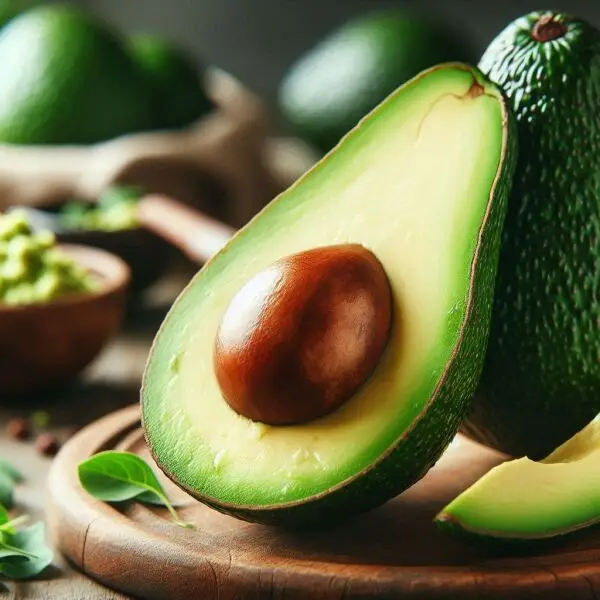
We all know the nutritional value of avocado. Its flesh provides healthy fats, fiber, and a variety of micronutrients. But what about the pit? Although it usually ends up in the trash, recipes suggesting that you grate it, grind it, or turn it into tea are circulating online.
The pit contains fiber, polyphenols, and other compounds that have sparked scientific interest. However, the fact that a substance contains potentially beneficial components does not mean it is safe for human consumption. Much of the effects attributed to this seed have been observed in laboratory tests or preliminary studies, not in robust clinical trials involving people.
Antioxidants found in avocado pits
Some analyses have found phenolic compounds with antioxidant activity. These compounds may help neutralize free radicals under certain experimental conditions.
Even so, it has not been proven that drinking an infusion or adding grated pit to meals prevents aging, cardiovascular disease, or other health problems. Laboratory results cannot be automatically applied to the human body.
Possible anti-inflammatory and antimicrobial properties
Certain components of the pit are also being studied for their potential anti-inflammatory and antimicrobial activity. Some concentrated extracts have shown effects against microorganisms under controlled conditions.
This does not make the pit a treatment for infections, inflammation, diabetes, arteriosclerosis, or digestive discomfort. The doses, extraction method, and degree of purity used in a laboratory are very different from those of a homemade preparation. In addition, data are still lacking on its absorption, effectiveness, and long-term toxicity.
I also suggest reading: Oats: How to Use Them to Build Muscle Mass.
Is it safe to eat avocado pit?
For now, there are not enough human studies to establish a safe amount. The seed contains natural substances whose concentration may vary, and there is no validated home method for processing it in a way that guarantees it is harmless.
Drying, baking, or boiling it does not ensure the removal of all potentially problematic compounds. Its hardness also makes it difficult to handle and can damage knives, blenders, or food processors. For these reasons, the most prudent choice is not to consume it regularly.
Extra caution is needed for children, during pregnancy or breastfeeding, and for people with liver, kidney, or digestive conditions. If you take medication or have a health condition, consult a healthcare professional before trying homemade remedies made with seeds or concentrated extracts.
Why making avocado pit tea is not recommended
A popular recipe calls for washing the seed, drying it, cutting it, and boiling it for several minutes. The problem is that there is no standardized recipe or dose supported by clinical evidence. The reddish color of the infusion or its bitter taste also does not prove that it has medicinal properties.
If you have already drunk a small amount and feel well, there is no need to panic. Stop consuming it and pay attention to any possible discomfort. If you experience severe abdominal pain, vomiting, persistent diarrhea, dizziness, or any worrying reaction, seek medical guidance or contact your local poison control service.
Should you add it to smoothies, salads, or soups?
Although some posts recommend grating the pit over salads or adding it to smoothies and soups, these practices do not have well-established safety either. A pinch may seem harmless, but “natural” does not always mean “safe”, especially when the appropriate dose is unknown.
There are much better-studied options for obtaining antioxidants and fiber: fruits, vegetables, legumes, oats, nuts, and seeds that are safe to eat. The avocado flesh itself is also a safe and nutritious choice as part of a varied diet.
How to use the pit without eating it
You do not have to eat it to avoid wasting it. You can place it in compost, as long as your system accepts large scraps, or try sprouting it as a home activity. Keep in mind that a plant grown from the pit may take years to bear fruit and will not necessarily produce avocados identical to the original one.
Scientific interest in this seed is real, but much more research is still needed. Until there is clear evidence regarding dosage and safety, the wisest decision is to enjoy the flesh and keep the pit off your plate. Curiosity can raise good questions; protecting your health also means waiting for reliable answers.
If you would like to learn about other foods associated with longevity, you can read: How to Live Beyond 100 by Eating This Delicious Food.