Table of Contents
- How Certain Fats and Spices Improve Vitamin Absorption
- Fat-soluble Vitamins and Carotenoids: Why They Need Fat
- Black Pepper: From Symbol of Wealth to a Nutrient Enhancer
- The Role of Healthy Oils in Salads and Plant Dishes
- When Absorption Fails: Malabsorption, Stress, and Gut Health
- Practical Tips to Make the Most of Nutrients Every Day
Follow Patricia Alegsa on Pinterest!
How Certain Fats and Spices Improve Vitamin Absorption
For years the idea was repeated that to eat healthily you had to avoid almost all fat. However, more recent research shows something very different. Adding small amounts of healthy fats and certain specific spices to the daily diet can multiply the absorption of fat-soluble vitamins and carotenoids, improving the utilization of the nutrients found in vegetables and plant-based foods.
In my practice I often see people who eat many salads, steamed vegetables and fruits, but who still have fatigue, dull skin or lab results showing vitamin D or A deficiency. In many cases, the problem is not what they eat, but how they combine it. A tablespoon of good oil, a handful of nuts or a bit of black pepper can make a real difference in the bioavailability of those nutrients.
Nutritional curiosity: traditionally, many cultures already combined fat with pigment-rich plants. The Mediterranean sofrito of olive oil with tomato and pepper, or Indian curries with ghee and spices, are empirical examples of what nutrition science explains today.
I also suggest you read: How to Recognize Quality Olive Oil
Fat-soluble Vitamins and Carotenoids: Why They Need Fat
Vitamins A, D, E and K are fat-soluble, that is, they need fat to dissolve and be absorbed. The same happens with many carotenoids, such as the beta-carotene in carrots or the lycopene in tomatoes.
In simple terms, when you eat a salad of carrot, spinach and tomato with no fat, a significant portion of those pigments and vitamins does not get incorporated into the bloodstream. They remain trapped in the food’s “matrix” and end up being eliminated.
The “matrix” is the physical structure of the food, made up of fiber, proteins and carbohydrates. Until this structure is broken and the vitamins are released, the intestine cannot access them. In food education talks I often use a simple example: whole sweetcorn appearing intact in the stool. It contains fiber, proteins, vitamins and potassium, but if it is not chewed well, it passes practically intact through the digestive tract.
Once released, fat-soluble vitamins need a special transport. In the presence of fats and bile, the body forms tiny structures called micelles, which encapsulate those vitamins and carry them to the cells of the small intestine, where they can pass into the blood. Without that fat micelle, much of the vitamins:
• Do not dissolve well in the aqueous environment of the intestine
• Do not reach the absorptive cells
• Are lost in the stool
Hence the importance of accompanying vegetables with quality sources of fat. Some practical examples:
• Leafy greens with extra virgin olive oil
• Grated carrot with avocado or chia seeds
• Crushed tomato gently cooked with olive oil
• Fruit and vegetable smoothies with a little yogurt, kefir or fortified plant drink
In multiple clinical follow-ups, just making these simple adjustments shows improvement in markers such as vitamin D and beta-carotene without immediate need for supplements.
Black Pepper: From Symbol of Wealth to a Nutrient Enhancer
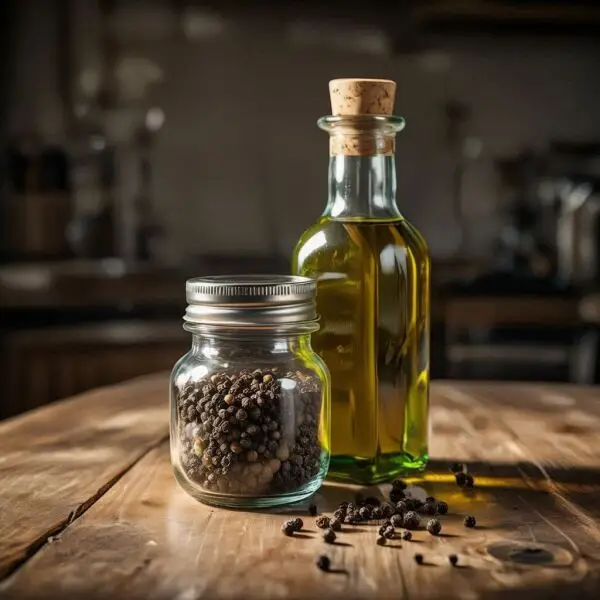
Black pepper was so valuable in antiquity that it was even used as a means of payment. Today it is present in almost every kitchen in the world, but it is rarely thought of as more than a condiment. Modern science, however, has shown that its interest goes far beyond flavor.
This spice contains an active compound, piperine, which has the ability to promote the absorption of vitamins and other nutrients. It does so by interfering with certain cellular “transporters” that usually expel part of what the intestine manages to absorb back out. By partially blocking these expulsion systems, it allows a greater proportion of vitamins and carotenoids to actually reach the bloodstream.
In healthy cooking workshops I usually do the following experiment:
We ask attendees to taste a pumpkin soup with and without black pepper and with and without a little olive oil. Besides agreeing that the version with spices and oil is tastier and more satisfying, we explain that that combination:
• Better releases the carotenoids from the pumpkin flesh
• Increases micelle formation due to the presence of fat
• Makes it easier for more potential vitamin A to be absorbed thanks to piperine
It is no coincidence that traditional beverages like Asian “golden milk” mix milk, turmeric, black pepper and fat. For centuries this combination was used to improve vitality and strengthen the immune system, and today it is known that black pepper also increases the bioavailability of curcumin, the active principle of turmeric.
The Role of Healthy Oils in Salads and Plant Dishes
Not all fats act the same when it comes to improving the absorption of carotenoids and vitamins. Recent studies have observed that the type of oil influences the size and characteristics of the micelles and nanoparticles that form during digestion.
Extra virgin olive oil, for example, promotes the formation of structures that significantly improve the absorption of carotenoids. In contrast, certain short- or medium-chain fats can form micelles that are too small or have a composition that is not as effective at transporting these pigments.
In practice, when I review the diet of people who eat predominantly plant-based, one of the key recommendations is:
• Use extra virgin olive oil as the main fat for dressing and gentle cooking
• Combine it with nuts such as walnuts or almonds in salads
• Add ground seeds (flax, sesame, chia) over vegetables and purees
• Include avocado several times a week in vegetable dishes
A striking finding in food science research is that, when serving spinach, carrot and tomato salads:
• Without a fatty dressing, hardly any carotenoids are detected in the blood after the meal
• With a dressing based on small droplets of fat, the amount of carotenoids absorbed increases very significantly
In addition, nanoparticles created with plant proteins or fat emulsions are being developed to encapsulate vitamins such as D or beta-carotene. In experimental models, this strategy has increased the amount of vitamin A available in the blood after intake of beta-carotene supplements accompanied by these emulsions by around twenty percent.
Although these technologies are still being consolidated, the most practical rule for daily life remains simple: don’t put a plate full of colorful vegetables in your mouth without at least a small source of healthy fat.
Where NOT to Store Olive Oil in Your Home
When Absorption Fails: Malabsorption, Stress, and Gut Health
Not everyone absorbs nutrients with the same efficiency. There are clinical situations in which the intestine has difficulty making use of vitamins, even if the diet is correct. Among the most common causes of malabsorption are:
• Celiac disease
• Inflammatory bowel disease such as Crohn’s or ulcerative colitis
• Chronic pancreatitis
• Liver conditions that impair bile production
• Previous digestive surgeries
In these circumstances, the body produces fewer digestive enzymes or less bile, which impairs fat digestion and therefore the absorption of vitamins A, D, E and K. In patients with these conditions, it is often necessary to resort to specific supplements, frequently formulated to be better absorbed.
At the same time, preventive medicine specialists like JoAnn Manson remind us that, in the general population, a varied and balanced diet is usually sufficient to meet vitamin and mineral needs, without relying universally on supplements.
From health psychology and wellbeing we also consider the role of chronic stress, poor sleep and an altered microbiota. I have repeatedly seen in practice that people with high stress levels, rushed meals and poor chewing present more digestive discomfort and worse nutritional status, even though they “eat well” in theory. Some keys I insist on working on with them:
• Eat without screens and with mindful attention
• Chew until the texture is almost creamy before swallowing
• Keep meal times more or less regular
• Take care of sleep and rest
Choosing good foods is not enough. It is necessary to create the physical and emotional conditions for the body to transform them into energy, defenses and repair tissues.
Practical Tips to Make the Most of Nutrients Every Day
To close, here are some simple strategies, based on evidence and clinical experience, that help improve the absorption of fat-soluble vitamins and carotenoids in everyday life:
• Always accompany leafy salads with a source of healthy fat
Practical example: extra virgin olive oil, avocado or a handful of nuts
• Add freshly ground black pepper over dishes rich in carotenoids
Ideal on: pumpkin soups, sautés of orange vegetables, dishes with turmeric
• Don’t fear a small amount of fat at breakfast if it includes fruit and vegetables
For example: wholegrain toast with avocado and tomato or natural yogurt with fruit and seeds
• Gently cook some vegetables
A light sauté of carrot or tomato with olive oil improves the release of carotenoids compared to exclusively raw consumption
• Watch for signs of possible malabsorption
Unintentional weight loss, very greasy or floating stools, persistent fatigue or vitamin deficiencies in lab tests warrant consulting a health professional
• Remember the importance of chewing
Especially for foods with resistant coverings like corn, some grains and certain legumes
In motivational talks I usually summarize it this way: it’s not just what you eat, but what your body is able to use. A drizzle of olive oil, a pinch of black pepper, better chewing and a calmer eating environment can turn your plate of vegetables into an authentic natural “supplement” for your cells.
If you align these small decisions with a diet rich in vegetables, legumes and minimally processed foods, you will be using science to your advantage to get the most out of every bite.