Table of Contents
Follow Patricia Alegsa on Pinterest!
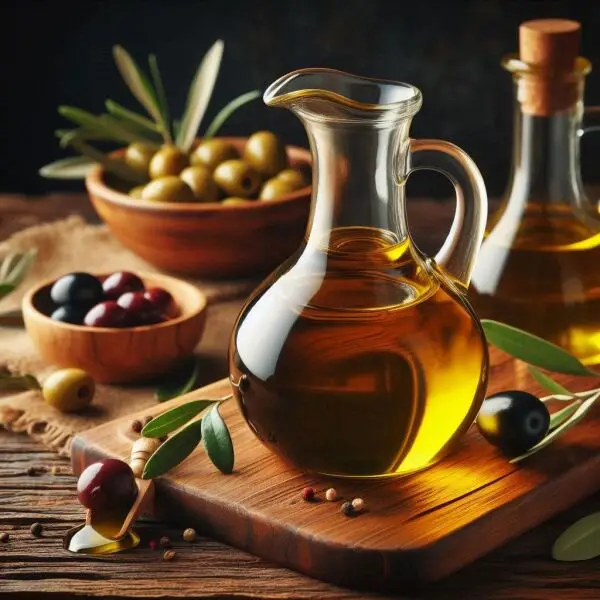
Olive oil: the liquid gold of the Mediterranean diet
Olive oil is one of those ingredients that can transform a simple dish. Since ancient times, this golden elixir has been valued for its aroma, flavor, and remarkable versatility in the kitchen.
Extracted from the fruit of the olive tree and produced mainly in Mediterranean regions, it holds a central place in one of the world's most extensively studied dietary patterns. You can use it in salads, vegetables, toast, sauces, stews, and many other preparations.
A small drizzle can add texture and enhance flavors without having to rely on highly processed dressings. If you would like to learn more about this eating style, you may also find this helpful:
What the Mediterranean diet is like and how to lose weight with it
Benefits of olive oil for cholesterol and heart health
Olive oil contains mainly monounsaturated fats. When used to replace less healthy fats as part of a balanced diet, it may help maintain healthy cholesterol levels.
In particular, this change may help lower LDL cholesterol, known as “bad” cholesterol, without negatively affecting HDL, which we commonly call “good” cholesterol. However, no food works on its own: physical activity, rest, fiber intake, and medical follow-up also matter when there is a cardiovascular condition.
The key is not to add large amounts of oil to everything, but to use it as a replacement for other fats. For example, you can make a homemade dressing with olive oil, lemon, and spices instead of choosing an industrially produced sauce.
To learn more about this topic, you can read:
How to lower cholesterol with this hot infusion
Remember that an infusion or home remedy is not a substitute for treatment prescribed by a professional.
Antioxidants and potential anti-inflammatory effects
Extra virgin olive oil contains antioxidant compounds, including polyphenols. These substances help protect cells from oxidative damage. This is of interest for the body's overall care, including the cardiovascular system and the brain.
Some studies also link its regular consumption, as part of a healthy diet, with a better response to inflammatory processes. It is not a medication, nor does it eliminate inflammation on its own, but it can be part of habits that support well-being.
Its relationship with blood pressure is also being studied. The findings are promising, although you should always consider your diet as a whole. If you have high blood pressure, keep up with your checkups and do not change your medication without consulting a professional.
Olive oil, the microbiome, and digestive health
The gut microbiome needs a varied diet rich in vegetables, legumes, fruits, and fiber. Within this context, the compounds in olive oil may support a more balanced intestinal environment.
There is also research into its potential activity against Helicobacter pylori, a bacterium associated with gastritis and ulcers. These findings do not mean that olive oil can treat an infection. If you experience frequent heartburn, abdominal pain, nausea, or persistent discomfort, seek medical evaluation.
How to incorporate olive oil into your meals
You can add it raw to salads, legumes, soups, or roasted vegetables. It is also useful for cooking, sautéing, and making marinades. If you choose extra virgin olive oil, you will get a more intense flavor and a higher concentration of antioxidant compounds.
Keep in mind that it is a calorie-dense food. You do not need to eliminate it, but you should use a reasonable amount. A small serving is usually enough to add flavor and improve the experience of the dish.
Try something simple: tomato, olive oil, aromatic herbs, and a pinch of salt. Sometimes, the best nutritional changes begin with small decisions that are easy to maintain and truly enjoyable. 🫒