Table of Contents
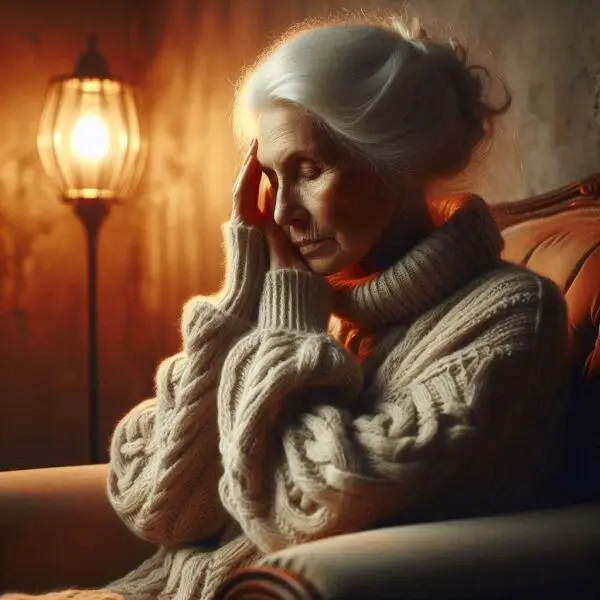
- Tiredness in old age? No, it’s not “because you’re old” 😒
- Fatigue vs. normal tiredness: they are not the same 😴
- The most common causes: it’s not just “laziness”
- When tiredness comes from the soul: depression, loneliness, and discouragement 🧠
- What I usually work on with my patients: practical strategies 💪
- When to see a doctor: signs of “don’t delay any longer” 🚨
Follow Patricia Alegsa on Pinterest!
Tiredness in old age? No, it’s not “because you’re old” 😒
I’ll get straight to the point:
Constant tiredness in old age is not normal.
Let’s repeat together: it’s not normal.
Geriatrics specialists at Cleveland Clinic emphasize this. Many older adults believe that living exhausted is a natural part of aging, but experts see that tiredness as an early warning sign that something is wrong and you need a medical evaluation.
In psychological consultations and talks with older people, I often hear phrases like:
- “It must be my age, I’m no good for anything anymore”
- “I used to walk to the market, now climbing two steps kills me”
- “I don’t have the strength even to make the bed”
When someone tells me that, I don’t let it pass.
I explain that the body speaks. And sometimes, it screams. And persistent fatigue is a pretty clear scream. 📢
Fatigue vs. normal tiredness: they are not the same 😴
A well-known geriatrician from Cleveland Clinic, Dr. Ardeshir Hashmi, points out a key difference that I also see in my patients:
- “Normal” tiredness:
- Appears after a specific activity: cleaning, walking a lot, exercising
- Improves with rest, a good night’s sleep, or a calmer day
- Doesn’t prevent you from following your routine most days
- True fatigue (the one that worries):
- Doesn’t go away with rest
- Sometimes worsens over days
- Appears even if you didn’t do anything special
- Takes away your desire and strength for simple tasks:
- emptying the dishwasher
- taking a short walk
- making the bed
- bathing or dressing
Dr. Hashmi sums up something I hear a lot:
Even if your mind is motivated, your body doesn’t respond.
You want to do things, but your energy melts halfway through.
I’ll ask you a direct question:
Do you get so tired that you start avoiding things you used to do, like going out, walking, or socializing?
If you answer yes, it’s worth taking it seriously.
The most common causes: it’s not just “laziness”
Fatigue in older adults almost never has a single cause.
I’ll tell you the most common ones mentioned at Cleveland Clinic and that I also observe in practice:
- 1. Chronic dehydration 💧
Many older people drink little water because:
- They don’t feel very thirsty
- They fear urinating too much
- They want to avoid getting up at night
Result: less blood volume, less oxygen circulating, more weakness and confusion.
I’ve seen patients who thought they had “early dementia” and just needed better hydration. Incredible but true.
- 2. Chronic diseases
According to Cleveland Clinic data, up to 74% of older adults with chronic diseases report fatigue.
These diseases include:
- Cancer
- Parkinson’s
- Rheumatoid arthritis
- Heart disease
- COPD (lung disease)
- Diabetes
The body spends energy fighting these processes, and that feels like continuous exhaustion.
- 3. Medications 💊
Sometimes the problem isn’t the disease but the combination of drugs:
- Antihypertensives
- Sleeping pills
- Some antidepressants
- Allergy medications
It has happened to me more than once: a patient arrives convinced they are “dying,” and the doctor, after reviewing their medication, adjusts doses… and energy improves within weeks.
- 4. Sleep disorders
- Sleep apnea (you stop breathing repeatedly while sleeping)
- Chronic insomnia
- Falling asleep but not resting
Poor quality sleep exhausts the brain and body.
I’ve seen people who fall asleep in front of the TV but wake up more tired than when they went to bed.
- 5. Hormonal changes: thyroid and sex hormones 🔄
Many are surprised here.
With age, the thyroid and sex hormones change and can drain your energy:
- Hypothyroidism: slower metabolism, coldness, dry skin, weight gain, fatigue
- Hyperthyroidism: nervousness, palpitations, weight loss, but still exhaustion
- Low estrogen or testosterone: less energy, mood changes, worse sleep, lower sexual desire
Dr. Hashmi emphasizes that hormones regulate many body functions.
When they get out of balance, energy falls like dominoes.
- 6. Anemia and iron deficiency 🩸
Anemia reduces red blood cells and oxygen transport.
Fatigue is usually the first symptom.
Other signs that join:
- Dizziness when standing up
- Palpitations
- Constipation or bowel changes
- Darker than usual urine
- Shortness of breath with little effort
If you notice this and are always exhausted, it’s worth asking for a blood test.
- 7. Other important suspects
- Vitamin B12 deficiency
- Heart failure
- Infections without clear fever (urinary tract, lungs)
- Effects of poorly treated flu
The summary: fatigue is a symptom, not a simple detail.
The body is trying to warn you.
When tiredness comes from the soul: depression, loneliness, and discouragement 🧠
As a psychologist, I tell you straight:
Depression in old age often disguises itself as tiredness.
Many older adults don’t say “I’m sad,” they say:
- “I have no energy”
- “My body feels heavy”
- “I don’t want to do anything”
- “I get tired of everything”
Cleveland Clinic experts point out something very important:
In atypical depression, you may not cry or feel overwhelming sadness… but you live exhausted all the time.
Also, loneliness and social isolation translate into fatigue.
The brain needs bonds, conversation, contact.
Without that, it goes into “low battery” mode.
I ask you something personal (answer honestly):
- How many hours a day do you spend in silence without talking to anyone?
- Do you have someone to share worries or fears with?
- Do you leave the house several times a week or almost never?
In more than one motivational talk with older people, I’ve seen incredible changes when they organize:
- small walking groups
- board game afternoons
- reading circles
Emotional energy greatly influences physical energy.
Don’t underestimate it. ❤️
What I usually work on with my patients: practical strategies 💪
I share what I most recommend when an older person tells me “I’m tired all the time.”
1. Listen to your baseline
Everyone knows their own “normal.”
I ask them to answer these questions:
- Since when have you noticed this tiredness?
- Does it get worse over days or stay the same?
- Does it force you to stop doing things you used to do?
If the answer includes phrases like “I do less and less” or “I used to be able to and now I can’t,” we already have an alert.
2. Observe symptoms accompanying fatigue
Fatigue rarely comes alone.
Watch for:
- Difficulty breathing
- Dizziness when standing up
- Palpitations
- Changes in digestion or bathroom frequency
- Darker or different urine
- Changes in sleep or mood
- Loss of interest in activities you used to enjoy
When my patients write down these symptoms in a notebook for one or two weeks, the doctor then has pure gold for diagnosis.
3. Hydrate and eat better, seriously
It’s not enough to say “yes, yes, I drink water.”
I suggest:
- Keep a bottle handy and set goals: 2–3 glasses in the morning, 2–3 in the afternoon
- Include iron-rich foods: lentils, spinach, lean meats
- Don’t skip meals “because I’m not hungry”
Once a 78-year-old patient came exhausted. She ate at 11 a.m. and then almost nothing until night.
When she adjusted schedules and improved hydration, her energy changed in two weeks. It didn’t solve everything but she made great progress.
4. Move a little every day 🚶♀️🚶♂️
The big mistake: “I’m tired so I don’t move.”
And by not moving, you lose muscle and get more tired. Vicious circle.
I recommend:
- Short but regular walks
- Gentle strength exercises with elastic bands
- Rising on tiptoes holding onto a chair up and down
- Gentle stretches in the morning and before bed
The body—even older—responds very well to constant moderate movement.
5. Review your emotional routine
I ask a lot:
- What excites you now?
- What small activity do you really enjoy?
- When was the last time you truly laughed?
Energy doesn’t only come from food and sleep.
It comes from projects, relationships, and small pleasures.
Here comes my astrologer side 😉:
I always say vital energy is like your natal chart: if you don’t channel it into something that excites you, it stagnates.
And when energy stagnates, tiredness takes over all the space.
When to see a doctor: signs of “don’t delay any longer” 🚨
I tell you clearly:
If tiredness changes your daily life, you need a medical evaluation.
Don’t wait to “see if it goes away on its own.”
Cleveland Clinic insists on acting quickly.
Seek professional help if:
- Your energy level has clearly dropped in recent months
- You struggle with tasks you used to do easily
- You get short of breath with small efforts
- You feel dizzy when standing or notice your heart racing
- You notice unexplained weight changes
- Your mood is low, you isolate yourself or lose interest in what you liked
- Your sleep worsened (wake up many times, snore loudly, wake up more tired)
Telling this to your doctor can make an enormous difference in your quality of life.
In many older people, treating the cause (anemia, thyroid issues, depression, apnea, medication effects…) brings vitality back. Maybe not like at 20, but much better than they imagined.
And I want you to keep this final idea:
Feeling tired all the time is not your destiny; it’s a message.
Don’t ignore it. Listen to it, investigate it, ask for help.
Your body isn’t punishing you; it’s warning you.
And you deserve to reach old age with as much energy and dignity as possible. 💫