Table of Contents
Follow Patricia Alegsa on Pinterest!
Quince: properties and nutritional value
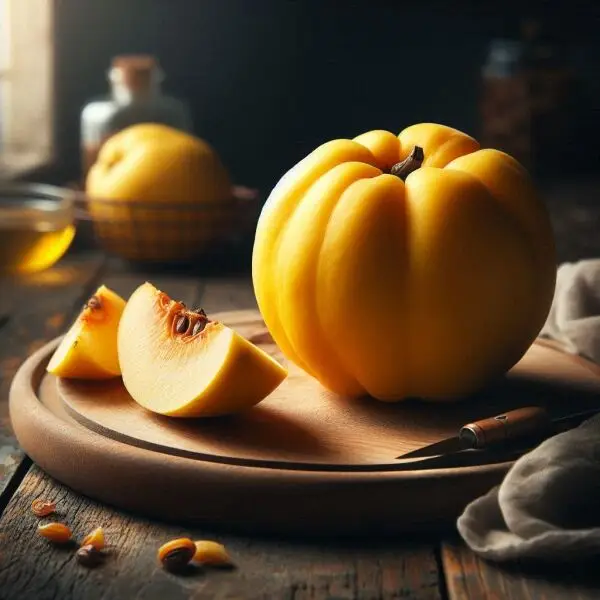
Quince is a yellow, fragrant fruit that looks similar to a sturdy pear. It belongs to the rose family, like apples and pears, although it has a very distinct character.
Its raw flesh is usually hard, tart, and astringent. For this reason, many people know it mainly through sweets, jellies, compotes, and jams. However, behind these traditional preparations lies a fruit with interesting nutritional qualities.
Every 100 grams of fresh quince provide around 57 calories. It also contains water, fiber, tannins, potassium, and a moderate amount of vitamin C. These components may contribute to digestive well-being and be part of a varied diet.
It is important to make a distinction: fresh fruit or cooked quince without too much sugar does not have the same nutritional profile as commercially made quince paste. The latter often contains a high amount of added sugar, so it is best enjoyed in moderate portions.
Benefits of quince for digestion
Dietary fiber supports intestinal transit and helps maintain a diverse gut microbiota when combined with vegetables, legumes, fruits, and enough water. Quince contains pectin, a type of soluble fiber that may also contribute to a greater feeling of fullness.
Its tannins explain the rough sensation it leaves in the mouth. Due to its astringent effect, cooked quince has traditionally been used during mild episodes of diarrhea. Even so, it is not a substitute for hydration or medical care when there is fever, blood in the stool, severe pain, or persistent symptoms.
Pectin may also help with cholesterol control as part of a balanced diet. It does not work as a stand-alone solution, but it can contribute alongside other healthy habits, such as exercising and reducing the consumption of ultra-processed foods.
Vitamin C, potassium, and cardiovascular health
Quince provides potassium, a mineral involved in muscle function and the body's fluid balance. A diet rich in fruits and vegetables can support cardiovascular health and help maintain healthy blood pressure.
It also contains vitamin C, which is needed for the normal functioning of the immune system and for collagen formation. In addition, it acts as an antioxidant and helps protect cells against oxidative damage.
This does not make quince a miracle fruit. Its greatest benefit comes when it is part of a complete, consistent diet, rather than when it is eaten occasionally while expecting immediate results.
Traditional uses of quince for skin care
Quince seeds release a mucilage when they come into contact with water. This substance has traditionally been used to soothe dry or irritated skin. However, homemade preparations should not be applied to burns, open wounds, or dermatitis without first consulting a professional.
Vitamin C and other antioxidant compounds found in the fruit are involved in processes related to skin health. Even so, sun protection, hydration, and a varied diet are far more important for preventing premature aging.
If you are interested in learning more about foods associated with a healthy lifestyle, you can also read: Discover this delicious food to live beyond 100 years.
How to eat quince in a healthy way
Since its raw texture can be difficult for many people, you can bake it or boil it with water, cinnamon, and a small amount of sugar. It also pairs well with plain yogurt, oats, nuts, or mild cheeses.
These ideas may help you include it in your diet:
- Make a homemade compote with cinnamon and little sugar.
- Add cooked pieces to yogurt or oatmeal.
- Use it in warm salads with leafy greens and cheese.
- Serve a small portion of quince paste as an occasional dessert.
Before cooking it, wash it thoroughly to remove the outer fuzz. If you are going to eat the skin, make sure to rub it carefully. Avoid biting or crushing the seeds, and remove them during preparation.
Quince may not be the most popular fruit at the market, but its aroma, fiber, and versatility deserve a chance. The key is to choose simple preparations and not turn a naturally light fruit into a sugar-loaded dessert. 🍐