Table of Contents
Follow Patricia Alegsa on Pinterest!
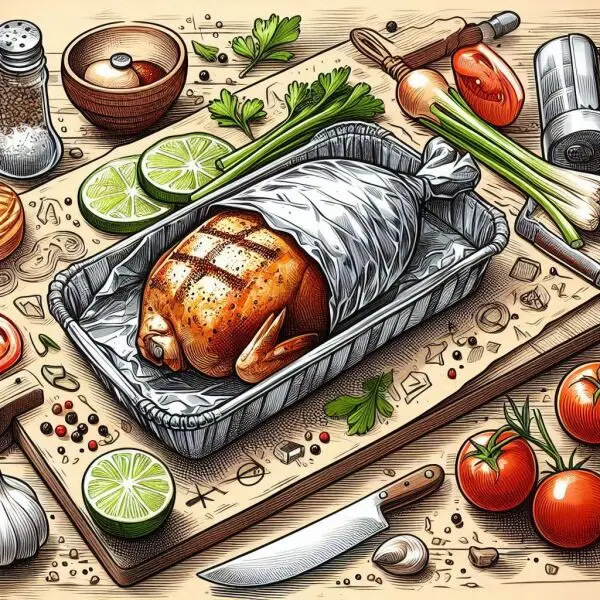
Aluminum foil is found in almost every kitchen. It is practical, flexible, and helps retain heat. It also makes it easy to cover baking trays or wrap food. However, using it for cooking raises an important question: can aluminum transfer into food?
The short answer is yes. A small amount can migrate from the foil into food. This transfer tends to increase when there are high temperatures, long cooking times, a lot of salt, or acidic ingredients, such as tomatoes, lemon, and vinegar.
This does not mean that an occasional baked potato wrapped in aluminum foil will poison you. Nor is there any need to panic if you have used it for years. The sensible approach is to understand its limitations, reduce unnecessary exposure, and choose another material whenever it is easy to do so.
Does aluminum used in cooking cause Alzheimer's?
Aluminum has no known nutritional role in the body. At very high levels of exposure, it can affect health, but there is no conclusive evidence that occasionally cooking with aluminum foil causes Alzheimer's disease.
The relationship between aluminum and neurological diseases has been studied for decades. So far, research does not support the claim that ordinary household use of aluminum foil is a direct cause of dementia. It is best to avoid alarmist messages and distinguish between a possible source of exposure and a proven connection.
If you would like to learn more about cognitive care, you can read this guide on how to prevent Alzheimer's.
When it is best to avoid aluminum foil
The main concern is usually not storing cold food for a few hours, but rather placing foil in direct contact with certain foods while they are being heated. It is best to avoid it for very salty or acidic dishes, especially if they will be in the oven for a considerable amount of time.
- Do not directly wrap tomatoes, citrus fruits, or foods containing vinegar when cooking them.
- Avoid reusing foil that is damaged, burned, or has food residue stuck to it.
- Do not put aluminum foil in the microwave.
- Do not cover parts of the oven if the manufacturer advises against it, as this could disrupt heat circulation.
Frequency also matters. Using it occasionally is not the same as cooking acidic or salty foods wrapped in aluminum every day.
And since we are talking about reviewing food-related habits, you may be interested in reading about the avocado pit, how to eat it, and its potential benefits, while always keeping in mind that not every viral tip is suitable for everyone.
Safe alternatives to aluminum foil for cooking
You do not need to ban it completely from your kitchen. You can save it for occasional uses and turn to more suitable materials when there will be direct contact with food.
Baking paper or parchment paper can be used to line trays and prevent food from sticking. Always check the maximum temperature stated on the packaging. You should not place it over an open flame, an exposed heating element, or under the broiler if there is a risk that it may burn.
For roasting, baking, or storing food, you can also use glass, ceramic, or stainless-steel containers. Reusable lids and high-quality silicone covers are practical for preserving food, although you should make sure they are suitable for the intended use and temperature.
How to reduce exposure without making life complicated
One small change may be enough: avoid letting aluminum come into direct contact with acidic or very salty foods while cooking. Use a covered dish or place baking paper between the food and the foil, whenever the recipe and temperature allow it.
There is no need to throw away all the aluminum foil you have at home right now. The key is to use it wisely, follow the manufacturer's instructions, and choose reusable alternatives whenever you can. This way, you take care of your kitchen, reduce waste, and make decisions without unnecessary fear. 🙂
To continue reviewing your eating habits, you can also read this article about cholesterol and herbal infusions, remembering that no beverage replaces a professional assessment or prescribed treatment.